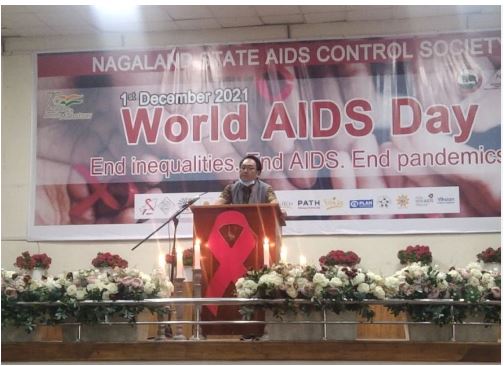
World AIDS Day, observed annually on December 1st, provides an opportunity to reflect on the global impact of HIV/AIDS and its intersection with social justice. Even while medical knowledge and treatment of HIV/AIDS have advanced significantly, the social and justice aspects of the epidemic still present difficulties. This essay explores the intricate connection between social justice and HIV/AIDS, looking at major problems that continue to impede the international response to the pandemic.
The Stigma Surrounding HIV/AIDS
•A Barrier to Prevention and Treatment
One of the biggest challenges in the fight against HIV/AIDS is still stigma. People who have the virus frequently experience prejudice, exclusion, and criticism, which makes it difficult for them to get tested, receive treatment, and find support. This stigma is mostly based on false beliefs and anxiety, which feeds negative preconceptions and obstructs attempts to stop the virus from spreading and help individuals in need.
•Impact on Vulnerable Communities
HIV/AIDS disproportionately affects some populations, and stigma makes them more vulnerable. People of colour, LGBTQ+ persons, sex workers, and the impoverished frequently experience discrimination that is exacerbated by these factors. Systemic prejudices compound the effects of the disease in a difficult environment created by the intersectionality of these identities. In addition to being essential for each person's well-being, addressing the stigma attached to HIV/AIDS is also essential for attaining social justice on a larger scale.
Access to Treatment and Healthcare Disparities
•Global Disparities in Treatment
The quality of life for many people living with HIV/AIDS has greatly improved due to breakthroughs in antiretroviral therapy (ART); nonetheless, access to these life-saving drugs is still unequal. Treatment results differences result from low- and middle-income countries' frequent struggles to supply sufficient healthcare infrastructure and pharmaceuticals. Within the larger framework of the pandemic, the lack of access to necessary resources exacerbates the cycle of poverty and illness, giving rise to a social justice problem.
•Socioeconomic Barriers
In addition to geographic differences, socioeconomic status is a major determinant of access to HIV/AIDS treatment. Barriers that impoverished communities must overcome include a lack of knowledge about the infection, expensive treatment, and an inadequate healthcare infrastructure. The necessity for a comprehensive strategy that takes into account both the medical and social aspects is highlighted by the inability to obtain basic services, which exacerbates social inequality.
Gender Inequality and HIV/AIDS
•Disproportionate Impact on Women
Women, particularly in sub-Saharan Africa, bear a disproportionate burden of HIV/AIDS. Gender inequality, including limited access to education and healthcare, economic dependence, and gender-based violence, contributes to the vulnerability of women in contracting the virus. Redressing these systemic issues is integral to the broader fight against HIV/AIDS and is an essential aspect of achieving social justice.
•Empowering Women for Prevention
The prevention of HIV/AIDS can be greatly impacted by providing women with access to healthcare, economic opportunities, and education. Transmission rates decline when women have agency over their lives and bodies. As a result, tackling gender disparity becomes essential to any all-encompassing plan to stop the epidemic.
The Role of Social Determinants of Health
•Socioeconomic Factors and Health Disparities
Social determinants of health, including income, education, and housing, play a profound role in shaping the impact of HIV/AIDS. Individuals facing economic hardship, limited access to education, and unstable housing are more susceptible to the virus and face challenges in managing their health. Recognizing and addressing these social determinants is essential for creating a just and effective response to the HIV/AIDS epidemic.
•Education as a Tool for Prevention
One of the most effective methods for preventing HIV/AIDS is education. In order to debunk myths and lessen stigma, comprehensive and accurate information regarding the virus, its transmission, and prevention techniques is essential. Regardless of socioeconomic position, it is imperative to guarantee that education reaches all communities in order to disrupt the cycle of transmission and promote a more equitable response to the pandemic.
Advocacy and Policy Reforms
•The Role of Advocacy
Advocacy plays a pivotal role in driving policy changes and shaping public perceptions of HIV/AIDS. Activists and advocacy groups have been instrumental in challenging discriminatory laws, demanding accessible healthcare, and promoting awareness. The intersection of HIV/AIDS and social justice requires ongoing advocacy efforts to dismantle systemic barriers and create a more inclusive and equitable environment.
•Policy Reforms for Social Justice
Government policies have a profound impact on the lives of those affected by HIV/AIDS. Policies that criminalize certain behaviors, stigmatize affected communities, or limit access to healthcare hinder the progress in the fight against the epidemic. Implementing policy reforms that prioritize social justice, inclusivity, and equitable access to healthcare is essential for creating an environment where individuals can live free from the threat of HIV/AIDS and its associated stigmas.
Conclusion:
On World AIDS Day, it is crucial to recognize that the fight against HIV/AIDS goes beyond medical advancements. The intersection of HIV/AIDS and social justice highlights the need for a comprehensive and holistic approach that addresses the underlying determinants of health, challenges systemic inequalities, and fosters an environment of inclusivity and understanding. By acknowledging the social dimensions of the epidemic, we can work towards a future where no one is left behind, and the principles of justice and equity guide our response to HIV/AIDS on a global scale.