A Global Call to Action
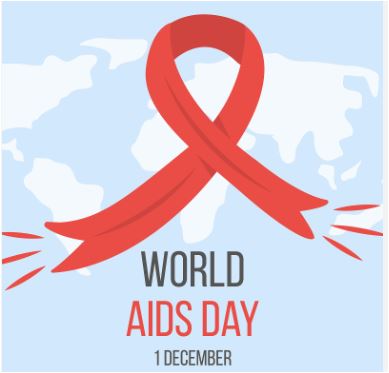
World AIDS Day, observed on December 1st each year, serves as a poignant reminder of the global impact of HIV/AIDS and a call to action to collectively address the challenges ahead. It is critical to acknowledge the significance of this day in promoting awareness, battling stigma, and laying out the roadmap for permanently eliminating HIV/AIDS as we consider the progress accomplished and the path ahead.
The Journey So Far: Progress and Achievements
Significant advancements have been made in the fight against HIV/AIDS over the years. The virus was formerly thought to be fatal, but thanks to advancements in medical research and therapy, it is now treatable as a chronic illness. The development of antiretroviral therapy (ART) has revolutionised the way that people with HIV can live long, healthy lives. Moreover, there have been a great decrease in new HIV infections and AIDS-related fatalities as a result of coordinated worldwide efforts.
Challenges in the Present: Stigma, Access, and Inequality
Even with the advancements, there are still issues that need to be addressed. One major obstacle to HIV prevention and care is still stigma. HIV/AIDS-related misconceptions and discrimination still deter people from getting tested and seeking care. Furthermore, underprivileged areas and marginalised populations are disproportionately affected by the unequal access to healthcare services and treatments.
The Role of Education: Dispelling Myths and Fostering Understanding
Education plays a pivotal role in dispelling myths and fostering understanding about HIV/AIDS. By promoting accurate information about transmission, prevention, and treatment, we can break down the walls of ignorance and stigma. Schools, communities, and online platforms can serve as powerful tools to disseminate knowledge and empower individuals to make informed decisions about their health.
Global Solidarity: Collaborative Efforts in the Fight Against HIV/AIDS
Combating HIV/AIDS is an international undertaking that necessitates unparalleled cooperation. To guarantee that resources, expertise, and assistance are dispersed fairly, governments, non-governmental organisations (NGOs), and the commercial sector must collaborate. Addressing the epidemic's underlying causes—poverty, inequality, and lack of access to healthcare—requires international cooperation.
Innovations in Treatment and Prevention: Paving the Way Forward
The state of HIV/AIDS research is always changing due to new developments in technology. Promising paths ahead are provided by advancements in treatment and prevention, such as the development of vaccines, pre-exposure prophylaxis (PrEP), and long-acting antiretrovirals. These discoveries not only improve the quality of life for HIV-positive individuals but also supply valuable resources for the prevention toolbox.
Empowering Communities: The Heart of Sustainable Change
Sustainable change requires the empowerment of communities affected by HIV/AIDS. Initiatives that involve and uplift these communities are essential in ensuring that interventions are culturally sensitive and address the unique challenges they face. Community-led healthcare programs, support networks, and advocacy efforts amplify the voices of those most affected, driving meaningful change from within.
Addressing Socioeconomic Determinants: A Holistic Approach
To truly move forward in the fight against HIV/AIDS, a holistic approach that addresses socioeconomic determinants is necessary. Poverty, discrimination, and lack of education are interconnected factors that fuel the epidemic. By addressing these root causes, we can create an environment where individuals are empowered to make choices that prioritize their health and well-being.
The Role of Technology: Harnessing Innovation for Impact
Technology has the power to revolutionize the way we approach HIV/AIDS prevention, treatment, and awareness. Telemedicine, mobile applications, and online platforms can enhance access to healthcare services, particularly in remote or underserved areas. Social media campaigns and digital storytelling can amplify awareness and foster a sense of global solidarity in the fight against HIV/AIDS.
Political Will and Funding: Keys to Success
Political will and adequate funding are crucial components of the strategy to end HIV/AIDS. Governments must prioritize public health policies that promote prevention, destigmatization, and equal access to healthcare. Additionally, sustained financial support for research, treatment programs, and community initiatives is imperative to maintain the momentum gained and continue making strides towards an AIDS-free world.
Conclusion: A Collective Vision for the Future
As we commemorate World AIDS Day, we must recognize the progress made and the challenges that persist. A shared vision that includes political commitment, innovation, global solidarity, education, and community empowerment is necessary to move forward. We can create a future in which no one is left behind and the world may rejoice over the abolition of HIV/AIDS by tackling the epidemic's many facets. We can make the goal of an AIDS-free generation a reality if we work together.